Quick stat: Top 15 Virtual Worlds
Yesterday we released the Q4 2011 Universe chart along with updated market numbers. Extracted from this analysis, here are the top 15 virtual worlds for under 25′s by total cumulative registered accounts.
Universe chart Q4 2011: Avg User Age 10 to 15
The release of our Q4 2011 data headlined with total cumulative registered accounts reaching 1.7bn (read that post here). Here, we’re showing a segment from the Universe chart for virtual worlds with an average user age between 10 and 15. This age segment is the largest in the sector, closing with 787m registered accounts as at Q4 2011. Here’s the segment.
Stardoll and Club Penguin are the leaders in this age segment both with 150m registered accounts. Following up behind these two are Moshi Monsters and Neopets with circa 70m each.
Looking at virtual worlds with a heavy focus on user generated content, Roblox and Minecraft reside within this age segment with 3m and 18m users respectively. Expect these worlds to post significant increases in users during 2012. Of course, we’ll be following their progress.
Our Facebook page has the full set of Universe charts and you can order the full KZero Universe chart presentation with high-res imagery can be here.
Virtual World registered accounts reach 1.7bn in Q4 2011
Strong growth in the virtual worlds sector throughout 2011 saw total cumulative registered accounts reach 1,772m at the end of Q4 2011. This growth was driven by booming user bases from worlds such as Poptropica, Habbo, Moshi Monsters, Stardoll and Club Penguin.
Encouragingly, whilst the top-tier larger worlds (with over 50m registered users) continue to attract users and leverage their brands, mid-tier worlds (10m to 50m registered users) such as Bin Weevils, Wizard 101, Minecraft, Meez and Fantage also posted positive increases.
The table below shows quarterly numbers by major age range.
From Q3 to Q4 2011, total cumulative registered accounts grew by 282m (an 18.9% quarter on quarter increase), compared to a 141m increase in users from Q2 to Q3 (a 10.4% increase).
The 10 to 15 year old segment continues to set the pace in the space, closing with 787m total cumulative registered accounts in Q4 2011, with the 15 to 25 year old (average user age) element coming in second highest with 596m total accounts.
The chart below shows total cumulative registered accounts by major age range.
We’ll be posting the Universe chart segments on here very shortly, but in the meantime you can get a sneak peak over on our Facebook page.
The full KZero Universe chart presentation with high-res imagery can be ordered here.
Mechatars launches to link off and online play
Following the trend to link toys and virtual worlds together, here’s a new example of exactly that called Mechatars.
Created by a company called ILoveRobots, spun out of Carnegie Mellon University’s Robotics Institute, Mechatars is a toy line consisting of three different robots (Alpha, Wrexx and Kodar). The price point is $39.99. And, clearly the company is keen to promote the different ‘attitudes’ of each toy because they even have their own twitter accounts.
Accompanying the physical toy range is a virtual world called the Mechaverse. Progression through levelling within the virtual world opens up and enables additional features from the real world toy. CEO Martin Hitch states:
“We’re the first company that has successfully connected physical products with virtual environments,” he said. “We’re the first company that has been able to make our product evolve over time.”
The play mechanic is primarily ‘battling and fighting’, similar to UK property Fight My Monster. Here’s one of their launch videos and a link to the full press release.
Our latest report – The Golden Triangle, explains the opportunties available for toys and virtual worlds. Here’s an extract from the report highlighting the strategies.
Kids virtual worlds gatecrash the BAFTA awards
The British Academy of Film and Television Arts (BAFTA) nominees have just been announced. Looking through the Children’s Awards Nominees highlights both the growing popularity of virtual worlds as well as the emerging trend to tie film and TV properties into them.
In the Animation category, Muddle Earth from CBBC is nominated. This property has an accompanying virtual world created by Dubit.
In the Comedy category, Horrible Histories is nominated, which also has a virtual world.
In the Feature Film category, Harry Potter and Kung Fu Panda are in the running, with the latter prepping Pottermore for launch and the former already with a virtual world in the market.
In the Interactive category Mindy Candy are short-listed for Moshi Monsters.
There’s also a special Kid’s Vote BAFTA award.
Within this award section Cars 2, Harry Potter, Kung Fu Panda and Transformers feature in the Film category. Cars has an accompanying world called World of Cars and there’s a Transformers Universe MMO in the works being developed by Jagex.
In the Web section we’re delighted to see two of our clients, Bin Weevils and Stardoll nominated alongside Club Penguin and Moshi Monsters.
The British Academy Children’s Awards will take place on Sunday 27 November. Let the voting battles commence!
Our latest report, The Golden Triangle, explains the strategies available to IP owners in the kids TV and Movie sectors. Order it here.
What Lady Gaga should have done….
Lot’s of newsflow in the last couple of days about Lady Gaga gaining an injunction against Mind Candy, owners of Moshi Monsters.
Moshi developed a character called Lady Goo Goo and placed songs onto YouTube, with plans to release a song on iTunes via their new music division Moshi Music. Here’s the news report.
Unofficial re-creations of brands inside virtual worlds are nothing new. Back in 2008 we identified this trend – primarily inside Second Life with residents (as opposed to Linden Lab) creating and in a lot of cases actually selling these virtual goods. Furthermore, the concept of users re-creating music videos as machinima is another interesting topic.
This case is slightly different because it’s the virtual world company itself creating the unofficial brand as opposed to the users – but it seems the Moshi users really love the character.
In response to the trend of unofficial brands and virtual goods, we developed the ’5 Rules of Virtual Brand Management’ back in 2008. It’s a set of principles that brand owners should consider before taking action. Perhaps Lady Gaga should have read this first. The full report can be ordered here and shown below is a quick summary presentation.
New KZero report: Toys, Media and Virtual Worlds – Creating the Golden Triangle
We’ve just released our latest report called ‘Toys, Media and Virtual Worlds – Creating the Golden Triangle’.
The report, in presentation format, aims to provide professionals in the toys, games, TV and movie sectors with guidance and insight into the key opportunities and strategies available in the virtual worlds sector.
Importantly, it also recommends how to align all three elements into a cohesive community building and revenue generating platform.
Areas covered include branded virtual goods inclusion, community and awareness building, research and development, character development and many others.
Also included in the report are examples of projects deployed to date. The free report can be requested here.
Some Monsters are for Nurturing, some are for Fighting
Leading UK virtual world Moshi Monsters is getting a lot of the limelight at present with various brand extension strategies such as toys, tv and music. Hot on their heels are Bin Weevils, going from strength to strength from a user acquisition perspective. Now there’s a new contender in the mix, or rather a Monster – Fight My Monster.
Whereas Moshi Monsters leverages a core play mechanic of Nurturing (definition:Interested in looking after their avatar and pet if applicable. Likely to be younger boys and girls, plus older girls), Fight My Monster focusses on pvp battles adopting a trading card style mechanic. Of course, like most other worlds and online games in this demographic there’s also a raft of mini-games.
Fight My Monsters is growing relatively quickly, up to 300k users since their launch in Jan 2011 (91% from the UK). The chart below shows registered account growth (summer holidays are always good for acquiring users in the KT space).
Average session lengths are also on the rise, indicating a strengthening user engagement relationship. Continue reading “Some Monsters are for Nurturing, some are for Fighting” »
Fans flock to Virtual Worlds on Facebook
A year ago we looked at the popuarlity of Facebook fan-pages for a number of popular virtual worlds, including those with users under 13. The results, i.e. the number of respective fans for each virtual world were not surprising, with the larger worlds enjoying a higher number of fans than the smaller ones.
The chart below shows the same analysis one year on. Across the board – increases. But of course that’s to be expected as these virtual worlds (and most others, regardless of target market) use Facebook for a variety of reasons. And, of course Facebook itself is grown.
Some worlds actually use Facebook to communicate directly to parents of their users, whilst others promote events and competitions. Another growth area is using Facebook during beta trials to both recruit new users and communicate progress. Probably the area with the biggest potential is embedding virtual worlds directly into Facebook itself. More about that in a future post.
Habbo maintains pole position with a huge number of fans (in reality they actually even more fans then we’re showing in the chart but we’ve taken the fan-page with the highest following).
They’ll be breaking through 1m fans and on the tails of IMVU pretty soon. We’ve taken IMVU out of this analysis because this focus is on KT&T.
Gaia has grown massively during the last year with 500k fans now with Hello Kitty Online (note – a young brand) coming in with over 300k fans.
Another future post and supporting report will look right across the spectrum of all virtual worlds using Facebook as an acqusition and retention tool.
Moving on, some of you may look at the chart above and comment that Facebook itself has grown significantly over the same 12 month period so seeing increases in the fan-pages of virtual worlds (and any other group on Facebook) shouldn’t be a surprise. We asked ourselves the same question and did some further analysis. Continue reading “Fans flock to Virtual Worlds on Facebook” »
Age Profiles: All worlds
This is the final post in our series looking at age profiles of popular virtual worlds. Here’s the full presentation:
Shown below is the summary chart containing all worlds in the analysis.
Post one looked at Bin Weevils and Moshi Monsters, post two featured Chimpoo, Stardoll and Poptropica and this chart now pulls in age profiles from Habbo and SmallWorlds.
For SmallWorlds the chart shows a fifth of the user base aged 13 then a flattening out at the 7% – 9% level from 15 t0 18.
Interestingly, Habbo shows nearly an exact opposite trend.
In the last post the topic of play profiles and visual appearance was highlighted as a key factor that determined the ages of users attracted to worlds. Shown below are the avatars of the worlds featured.
KZero services:
Age profiles: Chimpoo, Poptropica and Stardoll
This is the second post in this series looking at age profiles of popular virtual worlds (the full report is the next post). This post looks at two of the largest worlds, Poptropica and Stardoll, along with an ‘up and comer’ in the form of Chimpoo.
Stardoll has over 116m registered accounts with a user base pretty well distributed between North America and Europe. Poptropica has over 170m registered accounts and is strongest in the US. Chimpoo has 4m registered accounts with a user base largely from India. Here are the age profiles for these three worlds.
This chart highlights the impact that different play patterns and user experiences have on the ages of users inside virtual worlds.
For example, Stardoll is primarily dress-up, with users (predominantly females) customising their avatars with clothing. This is an evergreen play pattern, appealing to tweens just as much as teens.
As this post from 2008 shows, Stardoll even resonates with the Mothers of users, with over 60% playing Stardoll alongside their children and of this group, another 60% visit Stardoll without their children. Continue reading “Age profiles: Chimpoo, Poptropica and Stardoll” »
Age profiles: Moshi Monsters vs Bin Weevils
We’re a few days away from releasing our latest report on user age profiles in the Kids, Tweens and Teens virtual worlds market. So, in the meantime, here’s a look at two UK-based worlds gaining significant traction – Moshi Monsters and Bin Weevils.
Our age profile analysis visualises the ages of registered users in a simple to understand chart. First up – Moshi Monsters. The chart below compares 2011 data.
The sweetspot user age is 11 to 12, showing a one year increase from last year, indicating that Moshi is doing a great job with user retention – not surprising given the amount of brand-driven marketing they’ve been doing.
The profile has also widened slightly from last year into younger ages. As this brand continues to grow, the virtual world element becomes part of a larger brand framework and therefore kids are interacting with Moshi via multiple touch-points.
This ‘widening’ might also be as a result of increased efforts in the US. Year on year, the US element of their userbase has proportionately grown against the UK. The chart below shows the top eight countries for Moshi Monsters. Continue reading “Age profiles: Moshi Monsters vs Bin Weevils” »
Q2 2011 VW cumulative registered accounts reaches 1.4 billion
With the largest quarterly increase since we started tracking in 2008, the virtual worlds sector now has 1.4 billion cumulative registered accounts. That’s an increase from Q1 2011 of 214 million. Not bad.
Growth has come from several sources in Q2 2011. The big boys of the sector continued to grow strongly, with excellent numbers from Moshi Monsters (up 16m to 50m), Poptropica (up 26m to 170m), Habbo (up 20m to 220), IMVU (up 5m to 55m), Minecraft (up 5m to 10m) and Stardoll (up 22m to 116m). Encouraging growth all round and also interesting that these worlds span a variety of different play and socialisation types, such as dress-up, nurturing/pets, casual gaming, chat and UGC.
The table below shows the quarterly numbers by age range.
The five to ten year old segment grew 17.6% from Q1 to Q2 assisted primarily by increases from Poptropica and Panfu. The next age segment, 10 t0 15 year olds grew by 16.2%, with Moshi Monsters and Stardoll leading the charge. Next up, the 15 to 25 year olds increased the most with a quarter-on-quarter uplift of 23%. A modest increase was seen in the 25 and older segment – this is a growth area with several companies looking to tap into this underserved market over the coming months,
Here’s the Universe segment for the 10 to 15 year olds.
The full high-res versions of the Universe charts can be ordered here. We’ll be releasing lower res versions via our Facebook page shortly and via Slideshare.
KZero services:
New report, Virtual Worlds 2011+ now available
We’ve just made our latest report, Virtual Worlds 2011+ available. You can order it here.
This report identifies and explains the emerging trends in the virtual worlds sector and includes insight into:
- Kids, Tweens and Teens
- Platform convergence
- Music
- Gambling
- Online dating
- UGC
- Socnet extension
- Education
- Virtual goods (consumer and B2B)
- Mirror worlds
- Mobile devices
- Metabrands
- Branded virtual worlds
KZero services:
Q1 2011 Radar chart: Existing brands, sports and content creation
After a short hiatus the Radar chart is back with a bang for 2011. The first segment is shown below and contain live and in-development virtual worlds. This part of the Radar shows worlds based on sports, existing brands/IP’s (books, movies and TV mainly) and content creation.
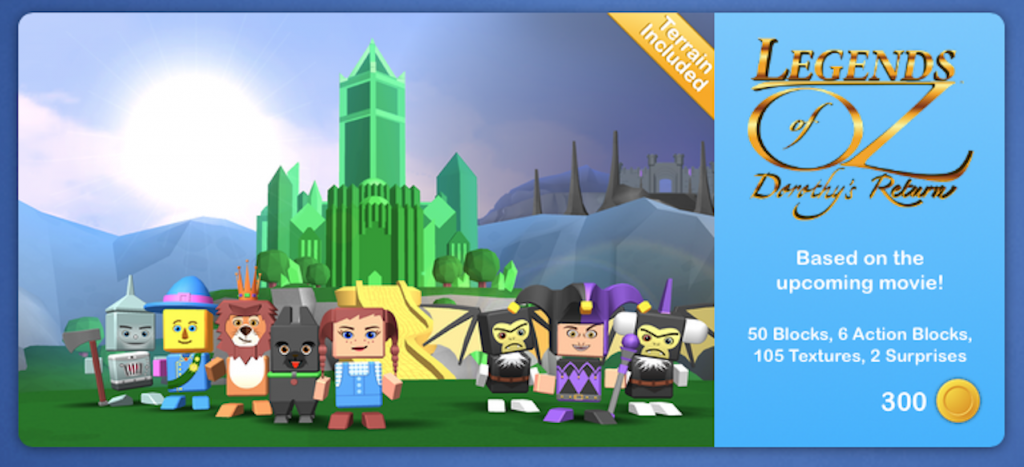
The sector for existing IP’s being turned into virtual worlds is the hot-spot for 2011. New entrants and in-development projects are mainly based on existing brands with a heritage, i.e. they are well-known established properties such as Dorothy of Oz, The Ministry of Silly Games (Monty Python), Star Trek, Tom and Jerry and Back to the Future. These are properties with existing fan-bases, therefore providing major opportunities to leverage the incumbent awareness into active users.
The full Radar chart can be ordered here.
KZero services:
Universe chart Q3 2010: 10 to 15 year olds
Virtual worlds with an average user age of between 10 and 15 account for 46% of the total market – that’s 468m of the 1.009bn as at Q3 2010.
Shown below is the updated Universe chart for this age segment. Stardoll leads this segment with 69m total registered accounts and has experienced extremely strong growth year to date.
Neopets pops into second place with 63m with Club Penguin in third with 47m, accordingly to our estimates and data access.
In terms of worlds in development (blue dots) there’s some interesting concepts entering the market.
Lego Universe will of course be an interesting one to watch, particularly bearing in mind the client download factor.
The other in-development worlds are largely what we call ‘Vertical’ worlds – virtual worlds themed into specific genres, as opposed to the more generalist casual gaming and socialising platforms already in the market. Adventure in Oz and Star Team (both KZero clients) are examples of movie/IP-led worlds coming to market.
Our complete report covering Q3 2010 registered accounts and all segments of the Universe chart can be ordered here.
KZero services:
Virtual worlds successfully using Facebook to grow user bases
You might be interested to learn that virtual world IMVU has almost 1.4m fans of their Facebook fan page.
Why do they use Facebook? Lot’s of reasons…
- It’s a marcomms channel: IMVU communicates the latest news, competitions and user updates
- Their users also use Facebook: So it makes sense to go where their users are when they’re not in IMVU
- Rewards: IMVU offers ‘secret sales’ to their followers on Facebook
- It boosts viral activity: Push notifications from users extend the viral reach
The second point above is the no-brainer of course. But, you might be even more interested to learn that virtual worlds with users below the minimum age requirement (13) for Facebook for similar purposes (and more, explained later). Let’s not kid ourselves – Facebook is chocka-block with under age users. And it’s also full of users at the higher age range end of these kids/tween worlds.
As shown in the chart below (worlds ranked by average user age), whilst these KT&T worlds are not quite at IMVU levels in terms of followers, they’re not doing badly.
Some of these worlds integrate elements of their virtual world experience into Facebook, therefore broadening their reach. Others (most actually) use it is a marcomms channel to speak to their users and the parents of these users (Jumpstart is a great example of this). Others use the Facebook Connect feature to automate the registration process – a great idea.
Continue reading “Virtual worlds successfully using Facebook to grow user bases” »
KZero in The Guardian: Virtual worlds: is this where real life is heading?
The registered population of online communities such as Second Life and Blue Mars is greater than that of the US and Europe combined. Today’s residents of the simulated universe aren’t just socialising but doing big business.
KZero services:
Animal Jam continues the trend in Branded Virtual Worlds
Demonstrating the continuing trend for existing brands to create their own virtual worlds (Branded Virtual World), this week we’ve seen the launch of Animal Jam.
This property, from National Geographic also highlights another key trend in the sector, channel convergence.
NatGeo worked with Smart Bomb Interactive on development and Jadi Communications for the marketing strategy and execution.
We were tasked by Jadi to review the marketing strategy/messaging and provide a competitive analysis of the landscape in order to ensure correct positioning.
This is a kids and tween play with the benefit of rich NatGeo content.
With the launch of National Geographic Animal Jam, National Geographic for the first time is offering content from its extensive multimedia resources as an integrated component of a virtual world for young adventurers and their families. Players can access video features, photos and facts about animals, plants and insects in a game world that encourages them to move from the virtual to the natural world by exploring nature right in their own neighborhood or backyard. Continue reading “Animal Jam continues the trend in Branded Virtual Worlds” »
Britain’s Next Top (Virtual) Model
Stardoll has signed a deal with Britain’s Next Top Model (shown on the Living channel) to promote the show and give away virtual clothes. Exclusive previews of the series are being shown in the Stardoll Cinema.
Taken from New Media Age:
Living has expanded the deal for the whole series following a teaser video that saw more than 100,000 plays. It earlier worked with Stardoll to promote America’s Next Top Model, which attracted 740,000 video views.
S
tardoll has a wide user age spread so this partnership makes sense as it targets multiple ages. Two thirds of Stardoll members Mothers play the site without the daughters.
It’s also another good example of how virtual worlds are moving their brands into new channels.
Stardoll leads the pack in terms of registered users in the fashion space, but they have competition, as shown in the Radar segment below.
KZero services:
The Brand New Worlds
Here’s a presentation giving an overview of how real world brands are creating their own virtual worlds and MMOs.
For a pretty-much complete list of all brands inside virtual worlds, including third-party activity, click here.
‘Make the world play more’ say Ikea
Playreport is a global research project on children, families and play, initiated by IKEA. They conducted 11,000 interviews in 25 countries and spoke to 8,000 parents and 3,000 children aged 7-12. The report is being promoted over on Facebook and here’s the video.
Young Children’s Play in Online Virtual Worlds
This is a great article by Jackie Marsh from the University of Sheffield. The piece, ‘Young Children’s Play in Online Virtual Worlds’ is taken from the Journal of Early Childhood Research. If you’re in the kids virtual world or MMO space I’d recommend taking the time to read this. I’ve ‘bolded’ the parts that I think are particularly interesting.
Abstract
Virtual worlds for children are becoming increasingly popular, and yet there are few accounts of children’s use of these worlds. Young children are spending increasing amounts of time online as technology continues to create significant changes in social and cultural practices in the 21st century.
Some of children’s online interactions can be categorized as playful in nature; however, play and technology are frequently positioned as oppositional. In this article, I explore the tensions surrounding the relationship between play and technology and relate it to similar discourses concerning the concepts of ‘real’ and ‘virtual’. I then move on to consider the growing popularity of virtual worlds with young children and examine the way in which the worlds have been marketed to children and parents/carers on the basis of their propensity to offer online play in a safe environment. The article provides an overview of two virtual worlds currently targeted at young children and draws on a survey of primary children’s use of virtual worlds in order to identify the nature of play in these environments.
One hundred and seventy-five children aged 5–11 completed an online survey and 15 took part in group interviews in which their use of virtual worlds was explored. This article focuses on the data relating to 17 children aged from five to seven years who used virtual worlds. Findings indicate that virtual worlds offered these young children a wide range of opportunities for play and that the types of play in which they engaged relate closely to ‘offline’ play. The implications for early years educators are considered. Continue reading “Young Children’s Play in Online Virtual Worlds” »
Q2 Radar Slideshare Presentation
The full Radar Chart report and presentation can be ordered (for free) here.
KZero services:
Q2 Radar: Brands and Learning dominate new entrants into virtual worlds sector
We’ve updated our Radar Charts for Q2 2010. These charts show both existing virtual worlds and platforms in development (closed beta). This time we’ve included MMOs into the Radar charts and we’ll be building out this list over time.
As a whole, the virtual worlds and MMO marketplace is changing quite dramatically. Whereas 12 months ago a concept we called ‘Chasing the Penguin’ was the main thrust of activity. This related to completely new companies setting up shop funded on the basis and excitement caused by the Disney acquisition of Club Penguin. This led to a massive influx (60+ new worlds) entering the marketplace going after the lucrative kids and tween sectors.
Of course, there’s only so much time kids have available and only so many times these kids can convince their parents to part with their hard-earned cash – we’re seeing casualties now.
As our last post explained, the virtual world and MMO marketplace is now shifting to being brand dominated as companies with existing customers, channels and operations see the value in sliding the brands and offerings into immersive environments.
The uplift in new platforms being developed as a result of these brands can be seen in the Radar segment shown below.
The other key segment seeing increased activity from new entrants is Education and Learning with a wide range of companies across many different educational areas developing their offerings. Continue reading “Q2 Radar: Brands and Learning dominate new entrants into virtual worlds sector” »
(In and) Out of their World – How Brands are Moving Across Platforms
We’ve highlighted many times the opportunities presented to brands within the virtual world and MMO category, primarily from engagement and monetisation perspectives. Linked to this is another trend we identified of leveraging different platforms to synergise brands. This is a post about how these trends are rapidly transforming and driving the sector.
Real world brands having virtual worlds is not a new concept. Barbie Girls and Webkinz were early pioneers of this strategy, amassing multi-million user bases in short periods – and importantly, in most cases much faster than ‘pureplay’ virtual worlds which at present make up the bulk of the sector.
We’ve just updated our Radar charts showing existing and new worlds and MMOs by genre. Related to this, we thought you’d be interested in seeing how brands are moving across different platforms. This is shown in the diagram below (which we’ll be updating on an ongoing basis).
We’ve placed five different channels (TV, Movies, Toys/Games, Consoles and Books) around the virtual world platform. From here we’ve shown how a brand has moved from one of these channels into virtual worlds. For example, BuildaBear started life as a toy retail operation and then augmented their virtual world proposition, BuildaBearVille. Kung Fu Panda similarly created a MMO off the back of the movie – so on and so forth. Continue reading “(In and) Out of their World – How Brands are Moving Across Platforms” »
Building the (virtual) Yellow Brick Road
KZero client Summertime Entertainment is enjoying our full range of services in support of their upcoming animated movie Dorothy of Oz. We were appointed earlier this year to provide strategic services relating to the development of the virtual world, virtual goods and social gaming elements.
With the movie coming out early 2012, our focus has been on developing the virtual platforms to build pre-launch awareness of the movie as well as provide online destinations for fans (and monetisation of course). All online efforts are designed to bridge the Wonderful Wizard of Oz franchise to a new generation.
We’ve created the end-to-end business plan and model for the virtual world, leveraging both the Dorothy brand and the movie. This effort includes the in-world feature sets and user journey as well as game/questing mechanics, socialisation mechanics and the supporting virtual goods strategies. Now we’re working alongside Dubit to build-out the world and bring it to market Q1 of next year.
Here’s some concept artwork for the movie. Continue reading “Building the (virtual) Yellow Brick Road” »
Dubit report into VW popularity in the EU now available
The full presentation from the Dubit research is now available from our Report Order section. This report looks into the popularity of kids virtual worlds across the EU.
Radar chart Q1: Sports, TV/film/books and content creation
Here’s the second segment from our updated Radar chart for Q1, 2010. The first segment is here and the full report can be order from here.
Updated Radar charts for Q1 2010
Here we go folks, our updated Radar charts for Q1 2010. On an overall basis we’re seeing a shift from ‘Chasing the Penguin’ and now we’re seeing efforts in the following areas:
1. Learning and education. Expect a growing number of virtual worlds entering the marketplace focusing on various elements of learning, education and self-development. These are focused around the eight to 12 year old segment.
2. Real-world IP: We’ve discussed this particular segment in length for a long time. This relates to existing popular brands creating virtual worlds to accompany movies, toys, TV and other IP-led properties.
Here’s the first segment (Education/Learning, Fashion/Lifestyle and Music). The full report can be ordered here.
KZero services:
Kids virtual world popularity across the EU
Here’s the master summary of the Dubit research looking at kids virtual worlds. The countries included in this research were: UK, France, Germany, Holland, Sweden, Finland, Norway and Denmark.
Below is the summary slide ranked by the % of the sample that has played/registered each world.
Club Penguin comes out top with 14.5% of the sample having played it. Second place goes to Barbie Girls with 13% with Habbo in third. Interestingly GoSupermodel beats Stardoll based on this research, albeit by a couple of % points.
Looking at this EU summary from a company-location perspective… Continue reading “Kids virtual world popularity across the EU” »
Virtual world popularity in Germany
This post examines the German marketplace for kids aged seven to 10 and the virtual worlds they claim to have used/played. The first post in this series covers the UK and the second France.
The chart below presents the findings.
Barbie Girls came out top in France and this is also the case in Germany, with 10.7% of the sample indicating usage. Club Penguin is in second place, tieing with World of Warcraft (which didn’t make a dent in the UK or France numbers). GoSupermodel and Jumpstart are in fourth and fifth position respective. Continue reading “Virtual world popularity in Germany” »
Virtual world popularity in France
Following on from our first post looking at the popularity of virtual worlds across the EU, starting with the UK, this post focuses on France. Dubit used a total sample size of 1,145 kids aged seven to 10. The data-points in the charts refer to the percentage of kids in the sample who indicate they have played/registered each virtual world. The sample was given a reasonable comprehensive list of major virtual worlds.
So, here’s the chart for France.
Whereas Club Penguin is the most popular virtual world in the UK, in France Barbie Girls comes out on top with 14.7% of the sample stating they’ve played it. Dofus, with a very strong French user base comes in at second place. The average user age for Dofus is 22, so the users featured in this analysis are at the youngest edge of the user base. Club Penguin pops in at third place for France. Continue reading “Virtual world popularity in France” »
EU VW research for kids aged seven to 10
Our good friends over at Dubit run regular Internet usage market research into the EU market place (with North America coming soon). Their January 2010 research has been made available to us, which means they’re added to our Xmas card list. You can follow Dubit on Twitter here (for Dubit Informer) and here (for the Dubit Platform).
The entire presentation will be made available on request in a day (update: the report can be ordered here) or so and for those of you looking for a peek inside, this is the first of a series of posts digging into the data. As a side-note, most people don’t realise that the EU market is the most dominant in terms of overall users in the kids and tween sectors, with conversion rates and ARPPU’s also higher than North America. We know why – do you?
The slide shown below presents the UK marketplace for boys and girls aged seven to 10.
Club Penguin leads the pack with a considerable advantage over the rest, although it’s interesting to observe the wide spread of worlds featuring in the UK market. UK-based Moshi Monsters comes in at second place with um, Farmville in third – obviously these kids are playing alongside an older brother/sister who is actually 13 or older right?! (probably a topic for another post). Mafia Wars also features. The same (kids signing up at an age younger than the TOS) can be said for Habbo of course. Continue reading “EU VW research for kids aged seven to 10” »
Radar chart: Toys/games, fantasy and mirror worlds
Following on from our Universe chart posts for Q4 2009, we’re delighted to release the Radar charts. These charts show, be genre, virtual worlds either live or in development. The chart below shows three segments, Toys/real world games, fantasy/questing and mirror worlds.
For the Toys and real world games segment, we’re expecting a lot of movement. Mattel has lead this segment with Barbie Girls and we’re now seeing Hasbro/EA move into the market with the Littlest Pet Shop Online (LPOS) and Ubisoft with Imagine, launching shortly (Shameless plug alert – both are KZero consulting clients). And let’s not forget about Lego Universe. Continue reading “Radar chart: Toys/games, fantasy and mirror worlds” »
Q4 2009 Radar chart: Music, Fashion and Education/Development
Throughout 2009 and certainly for the majority of 2008, almost all the focus in the KT&T virtual worlds space was in casual gaming and socialising.
Now, we’re seeing a different trend, with worlds catering towards education and development being the hotspot in terms of upcoming worlds.
The chart below shows Education/Development, Fashion/Lifestyle and Music.
You can order the full report analysing growth in the virtual worlds sector here. Our report, Virtual Worlds 2010+ details the major drivers for growth in these categories. Continue reading “Q4 2009 Radar chart: Music, Fashion and Education/Development” »
Q4 2009 Universe chart: Kids and Tweens
As published in our last post, the overall market of total registered users in the virtual worlds sector reached 800m in Q4 2009. Here, we delve into the younger segmented of this market, Kids and Tweens.
Virtual worlds with an average age user between five and ten reached a total of 179m in Q4, up 17.8% from 152m. The chart below contains the Universe segment for this age range.
Commentary on this age range in terms of drivers for growth and upcoming worlds is explained in this post based on the Radar. The full report on Q4 growth containing both the Universe and Radar charts can be requested here.
Here’s the segment for the ten to 15 year old group. This segment (the largest in overall size) grew 6.8% quarter on quarter from 367m to 392m. Continue reading “Q4 2009 Universe chart: Kids and Tweens” »
Avg user ages by country for Habbo
Here’s some insightful data recently released from Habbo. It shows the average user age by country. In the first chart we’ve colour-coded countries by major region. It’s almost per continent but we’ve broken out Scandinavia, for reasons well explained by the chart…
With an average user age of 15.9, Peru tops the chart, followed by Malaysia.
Inversely, the Netherlands has the overall lowest average user age with 13, followed by Belgium.
Can we draw conclusions from this chart. That’s what the colour-coding is for.
It would appear the the Scandinavian countries combined have a low (compared to others) average user age. Let’s remember that the parent company (Sulake) is based in Finland and was launched their first in 2000. This could imply that older target market users in these countries get into Habbo at a comparative earlier age and then migrate to older worlds – they might be a little more familiar with virtual worlds than users in countries from South American for example, that combined has an older average age.
The broad conclusion here being that the lesser developed the country or region, the higher average user age. By lesser developed we mean a lower broadband and PC penetration with a generally less internet savvy population. Of course, other factors do come into play here such as awareness of specific virtual worlds and unique nuances per country.
Here’s the chart showing aggregated average ages per major region in support of this conclusion….
LEGO Universe trailer and screenshots
Unveiled this week at CES, LEGO Universe nears towards a release at last (it’s been a while). Joystiq has the launch trailer and a selection of screenshots and as they correctly point out, there’s glossy, well-directed promo vids and then there’s actual screenshots.
Over the years we’ve seen some pretty examples of the disparity between the two when it actually comes to the user experience. Perhaps this time around LEGO Universe will live up to the hype. [Insert corny joke about the competition bricking it].
Active VW user forecast: 2009 – 2013
‘Tis the season to release forecasts’. Well, we tend to do this all year round, but seeing as we’re fast approaching 2010, here’s some charts we usually keep wrapped up for special occasions – our active user forecast for the virtual worlds sector.
First up, the headline chart, total unique active users from 2009 to 2013.
The 2009 year end forecast for active users in the virtual worlds sector is 136m (compared to circa 750m total registered accounts). This has been calculated by assessing the active user data we hold for a range of large (and small) virtual worlds, combined with research relating to users having accounts across multiple worlds (to take out duplicates).
We expect 2010 to be a major year for virtual world growth, both from new worlds coming to market supported by major marketing pushes, along with a pick-up in the overall economy and a continuation of increasing awareness and resonance towards the sector. Continue reading “Active VW user forecast: 2009 – 2013” »
Comparing user profiles: Poptropica, Moshi Monsters and Jumpstart
We’ve had three posts so far looking at individual user base age profiles for Poptropica, Moshi Monsters and Jumpstart. And, whilst looking at these worlds in isolation throws up some interesting data points and findings, it’s as interesting to compare all three side by side.
The chart below presents the specific age profiles for these three virtual words.
The wider overall age spread of Moshi Monsters is clearly shown, peaking at the 10-11 spots. Poptropica follows a similar pattern to Moshi, albeit in a tighter age band.
And the penetration into younger ages achieved by Jumpstart also stands out.
The chart below shows this data on a cumulative user base basis. Continue reading “Comparing user profiles: Poptropica, Moshi Monsters and Jumpstart” »
VW User Profiles: Jumpstart
Whereas both Poptropica and Moshi Monsters have user age profiles peaked around specific ages ranges, the profile for Jumpstart, the educational world (in 3D using Unity) from Knowledge Adventure is somewhat different and shown below.
It’s more of a ridge than a peak, with ages five to nine well represented in the range of 13% to 11% of the total user base.
This spread of ages is explained by the feature-sets and positioning of the Jumpstart world, with different games and activities available in-world catering to different age groups. Continue reading “VW User Profiles: Jumpstart” »
VW User Profiles: Moshi Monsters
Following on this series of looking at the age profiles of virtual worlds (first was Poptropica), now it’s Moshi Monsters.
Moshi is a London-based VW operating by Mind Candy. Grow-wise, 2009 was an excellent year, growing from 1m to 7m across two quarters. We expect Moshi to reach 10m users when we release our Q4 numbers in early 2010. They’re marked on the Universe chart as having an average user age of ten years old. The chart below shows the age profile.
It’s a near perfect curve with equal distribution of ages right from three to 18. Looking at the accounts on a cumulative basis…..
Almost 50% of the users are ten and under and 80% are 13 and under.
Switching to the user locations, the chart below shows the 7m accounts by top countries.
VW User Profiles: Poptropica
In the first of a new series of posts we’re rolling up our sleeves a little and examining the user bases of popular virtual worlds in the KT&T space. The focus is on the age distribution of registered accounts along with their real-world location.
First up, Poptropica, a virtual world from Pearson that steam-rollered into the sector in September 2007. As the Universe chart shows, Poptropica experienced record-setting user base growth and currently has over 80m registered accounts.
The distribution of these 80m accounts is shown in the graph below.
The best represented age in Poptropica is ten, accounting for 14% of total accounts (that’s 11.2m registered accounts). In second place are nine year olds with 12% of the total.
There’s an interesting dip between six and eight year olds, with children who are seven accounting for 6% compared to 9% and 10% respectively for six and eight’s. Continue reading “VW User Profiles: Poptropica” »
Fox News report on virtual worlds
Sharon Duke Estroff (the Undercover Mom) goes into kids and tween virtual worlds to figure out how users are treated, both from other kids as well as the companies themselves.
So far she’s ‘gone undercover’ into Barbie Girls, Poptropica, Stardoll and Club Penguin. I was asked in to be part of the report in order to balance the story. (that Universe chart gets everywhere).
KT&T sector: Mixing the real and virtual worlds for new revenue streams
For a long time we’ve advocated the strategy of linking on and offline play and activities in the virtual worlds sector – a theme examined in our 2010 report. And, with the high number of KT&T worlds in the sector coupled with the pressure to improve conversion rates and increase ARPPU’s, virtual world owners are increasingly seeking ways to drive new revenues.
One of these strategies is taking the VW brand ‘out of world’, typically with re-creations of virtual goods originally available virtually. Inversely, there’s also a growing trend to push users in-world, originating with a real world purchase. Of course, this is not a new strategy as both Webkinz and Neopets have offline brand retail experiences, but it’s definitely a growing trend in the sector.
Here’s a look at some examples:
Gaia Online: One of the pioneers of linking virtual and real world ‘products’ was Gaia, with their online store. Whereas both Neopets and Webkinz created offline retail catered for younger users, Gaia saw a merchandising opportunity to tap into their slightly older target market of mid to late teens. Users are able to purchase clothing (mainly t-shirts), accessories(hats, charms and hair accessories), and other items related to their world including plush toys. Some of the Gaia products are based on virtual goods available in-world – the first example of ‘real virtual goods?
Shidonni: “….One-of-a-Kind line of custom plush dolls. In doing so, the company has taken its virtual world’s original play experience — which animates a user’s 2D drawing, morphing it via the Shidonni software into an animated on-screen creature — one giant step further. The new line offers users the option to have their online creatures manufactured into a look-alike plush doll.” Continue reading “KT&T sector: Mixing the real and virtual worlds for new revenue streams” »
2010+ VW growth areas Part One: Branded Worlds
Our latest report, Virtual Worlds 2010+ explains the key growth areas emerging in the sector over the next three years. This is a series of posts taking each area in turn and breaking out the analysis.
We think one of the major contributors to growth in the KT&T category will be branded worlds – virtual worlds created by real world companies in the toys, games and media spaces.
We’ve already seen some indication of the power of branded worlds, namely with Barbie Girls, Webkinz and Buildabearville (shown right in a segment from the Radar).
The MTV suite of worlds are also worthy of note, albeit slightly less successful (in terms of comparative registered accounts), perhaps due to targeting a slightly older age group.
All three of these branded worlds amassed multi-million registered account user bases in a relatively short period of time – something pure-play virtual woods typically struggle with.
Here are the reasons why branded worlds are set to be major growth areas in 2010+:
1. Brand awareness
The importance of The Brand is often over-looked by new VW companies. Sure, having a technically sound platform and product is one thing and of course, viral marketing is great (as a theory) but potential users need to know about the world. Branded worlds have a huge advantage over pure-plays because they have incumbent levels of real-world brand awareness – they have customers that already have a relationship with the brand.
We’ve recently completed a consulting project for a global games publisher on one of their tween brands, providing guidance and strategy on the in-world user experience/journey, financial model, marketing/acquisition and monetisation strategies. What blew us away right at the start was the incredibly high level of brand awareness in several key territories – an ideal start for a virtual world.
Furthermore, creating the virtual world was almost a ‘no-brainer’ strategy as it’s simply an evolution and extension of their existing brand.
Continue reading “2010+ VW growth areas Part One: Branded Worlds” »
October KZero news round-up
Brands in virtual worlds. A definitive list (virtually)
Updated Universe chart for Q3 2009
VW registered accounts increase by 92m to 671m in Q3 2009
New KZero report: Virtual Worlds 2010+
Habbo and Stardoll show largest growth in Q3 2009
Talking with RezEd about education in virtual worlds
Updated Radar charts for Q3 2009
.
KZero services:
Updated Radar charts for Q3 2009
Earlier this week we published the updated Universe charts for Q3 2009. You may have noticed we’ve slightly changed the format between the Universe and Radar – the Universe chart now only shows live or open worlds. Worlds in development, semi-stealth and closed beta are now only shown on the Radar chart.
In terms of new virtual worlds, growth is slowing down in the casual gaming and socialing segments for KT&T. This is actually a good sign because there’s some over supply here, caused by a rush of VC money into the space in late 2007/early 2008 – we call it ‘Chasing the Penguin’.
Segments seeing an uplift in terms of pending worlds include fashion (Chasing the Stardoll?), education and development (here’s an interesting podcast on this theme) and thirdly branded worlds. We expect branded worlds to be a dominant force in 2010 – real world brands creating virtual platforms for their IP. In fact, we’ve just completed a business planning and strategic project for Ubisoft in this category – more about that later.
Here’s a segment from the Radar chart. The full set can be seen and high-res versions ordered here.
KZero services:

Habbo and Stardoll show largest growth in Q3 2009
Overall growth in registered accounts grew by 92m to 671m in Q3 2009. From the 92m total growth figure, 53% came from the top eight virtual worlds.
Drilling down into the major players, Habbo and Stardoll grew the greatest, with 13m and 12m increases respectively. The graph below shows quarterly growth (from Q2 to Q3) for the ‘big eight’. Habbo and Stardoll quarterly growth accounts for over 25% of the total market growth.
Although it’s the Grand-Daddy of the sector, Habbo continues to show dominance in the virtual worlds sector from a user acquisition perspective, with an increasing number of brands chosing them over other worlds to market into the teen segment – the latest being MTV and the EMA’s. Stardoll is also attracting brands in-world, the latest being the Baby Phat range from Kimora Lee Simmons.
KZero services: